

Your customers are searching differently. Is your business keeping up?
Our AI Search Optimization Services
-
Is your business prepared for the next generation of search?
We review your website content, search presence, and digital footprint to identify opportunities to improve how your business is represented and discovered in AI-powered search experiences.
Our assessments focus on content quality, website structure, brand consistency, and opportunities to better answer the questions your customers are asking.
-
Search engines aren't just delivering links anymore. They're generating answers.
Generative Engine Optimization (GEO) focuses on making your content clear, relevant, credible, and accessible to AI-powered search systems.
We apply established SEO and content strategy principles to help strengthen your website's foundation for discovery across evolving search experiences.
-
Your customers have questions. Does your content provide the answers?
Answer Engine Optimization (AEO) focuses on creating useful, well-structured content that directly addresses what people want to know.
From service descriptions and educational articles to frequently asked questions, we help businesses communicate their expertise in ways that are easy for people and search systems to understand.
-
Great content still starts with people.
We evaluate and refine website copy to improve clarity, organization, relevance, and credibility. That includes strengthening page headings, answering customer questions, identifying gaps, and making your expertise easier to understand.
The goal isn't to write for algorithms. It's to create valuable content that works for people and supports search discoverability.
-
What do AI search tools say about your business and industry?
We explore relevant customer questions across AI-powered search platforms to identify potential content gaps, competitor mentions, and opportunities to communicate your expertise more clearly.
These reviews provide directional insights to help guide your content strategy as AI search continues to evolve.
Good Content Still Matters.
For years, businesses have focused on ranking in traditional search results. Today, customers are increasingly turning to AI-powered tools to research products, compare services, and find answers.
Instead of browsing a list of websites, they may receive a summarized response that draws information from multiple sources.
That changes how businesses need to think about online visibility.
At Christie Denson Communications, we believe the foundation of effective search optimization hasn't changed: understand your audience, provide useful information, and communicate your expertise clearly.
What's changing is how that information gets discovered.
We combine more than 20 years of communications experience with modern SEO and emerging AI search practices to help businesses adapt thoughtfully.
From search results to AI answers
Traditional Search
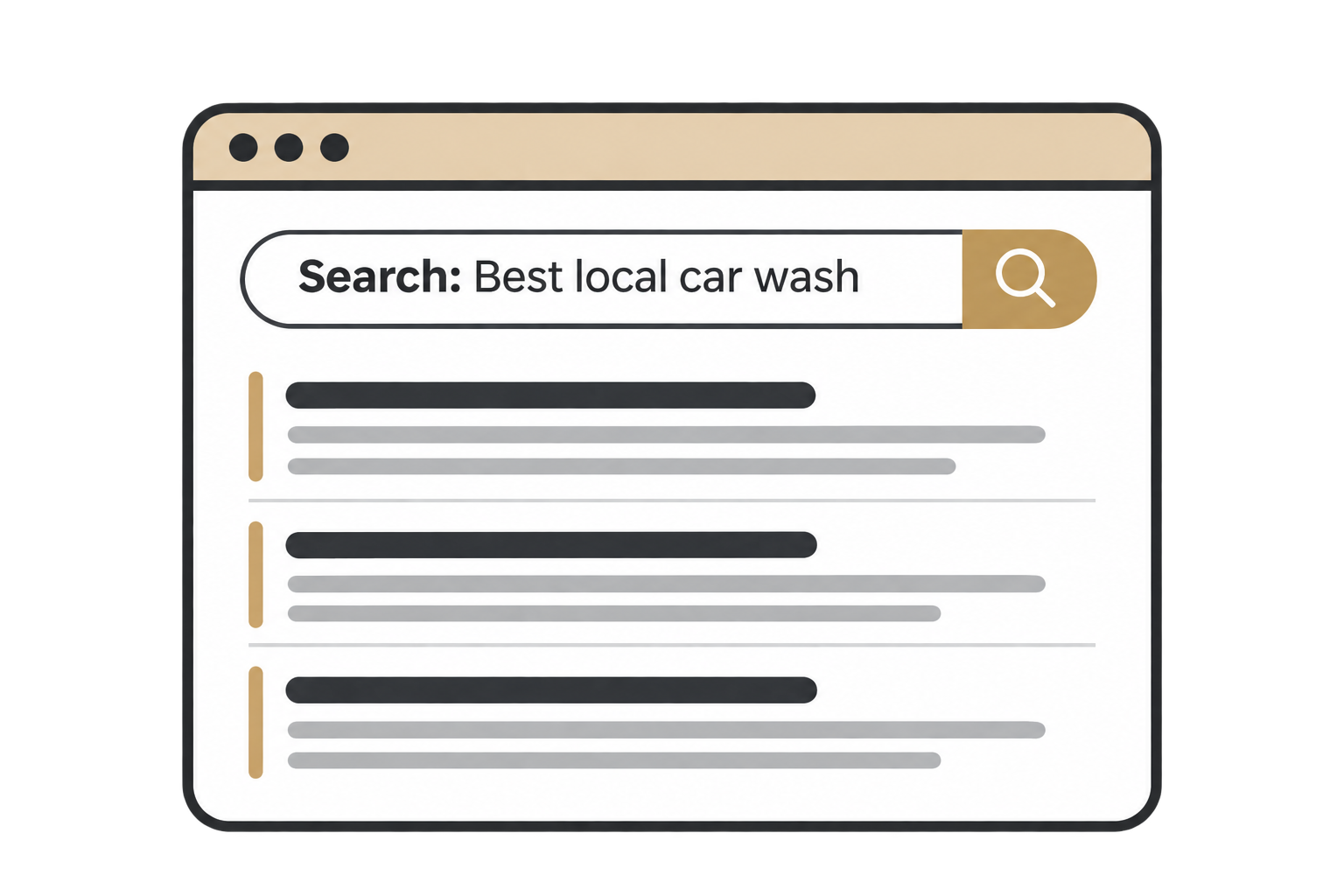
Customers browse search results and choose which websites to visit.
AI-Powered Search
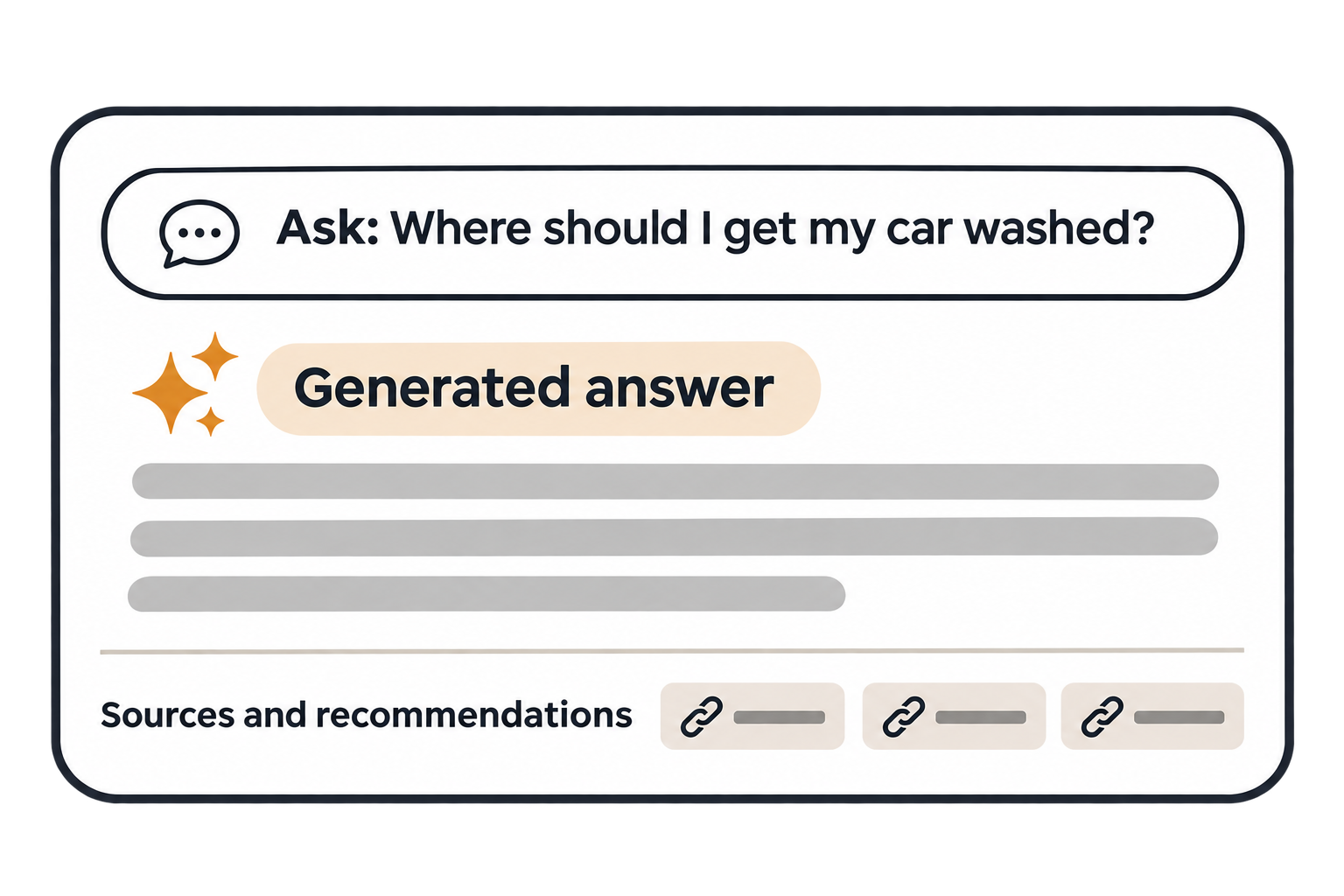
Customers may receive synthesized answers, recommendations, and links to sources.
Illustrative comparison. Both traditional and AI search experiences can include links, summaries, and other result formats.
AI Search FAQs: What Businesses Need to Know
You don't need to understand every new AI acronym to know that search is changing. Here are answers to some of the questions we're hearing from businesses trying to keep up
-
AI-powered search tools use different systems to discover, evaluate, and reference information. If your website has limited content, unclear service descriptions, inconsistent business information, or few credible third-party references, AI systems may have difficulty identifying your business as a relevant source.
An AI search readiness assessment can help identify gaps in your digital presence and opportunities to strengthen your visibility. However, no one can guarantee inclusion in AI-generated answers.
-
Absolutely. Traditional SEO remains an important foundation for AI search visibility. Clear website structure, useful content, relevant keywords, accessible pages, and credible information help search engines understand your business.
AI Search Optimization builds on these fundamentals by emphasizing direct answers, clear expertise, and content that addresses the questions people ask conversationally.
The goal isn't to replace SEO. It's to make your existing strategy work harder in an evolving search landscape.
-
These approaches share many of the same fundamentals but emphasize different aspects of search visibility.
SEO (Search Engine Optimization) helps improve your website's visibility in traditional search results.
GEO (Generative Engine Optimization) focuses on making your content easier for AI-powered search systems to discover, interpret, and potentially reference.
AEO (Answer Engine Optimization) focuses on providing clear, useful answers to the questions people ask search engines and AI assistants.
A strong digital content strategy considers all three rather than treating them as separate marketing tactics.
Ready to Find Out Where Your Business Stands?
-
Start by asking platforms such as ChatGPT, Google Gemini, and Perplexity the same questions your potential customers might ask.
For example: "Who provides [your service] in [your location]?" or "What companies specialize in [your industry]?"
Look for whether your business appears, how accurately it's described, which competitors are mentioned, and what sources are referenced.
Because AI-generated answers can vary by platform, prompt, location, and time, these checks provide a useful snapshot rather than a permanent ranking.
-
Not necessarily. You may already have valuable information that simply needs to be better organized, updated, or expanded.
Start by reviewing your service pages, frequently asked questions, blog posts, and company information. Are you clearly explaining what you do, who you serve, and what makes your business different?
Sometimes improving existing content is more valuable than publishing something new.
-
Using AI to help create content isn't inherently bad for SEO. The bigger concern is publishing inaccurate, generic, repetitive, or unhelpful information.
AI can be useful for research support, outlining, brainstorming, and drafting. But content still benefits from human expertise, fact-checking, original insights, and a clear understanding of your audience. AI is a tool. Your expertise is the differentiator.